
Search Tennessee Residents Directory
The Tennessee Residents Directory is not a single state database. Most Tennessee resident searches work by combining statewide archives, county court files, assessor databases, register of deeds portals, city open data tools, and formal public records requests. That makes the right starting point matter. Some searches work best through a county office. Others start with a Tennessee archive or statewide agency. This guide brings those official and high-authority sources into one place so you can look up Tennessee resident information, confirm older address trails, and move from one office to the next without guessing.
Tennessee Residents Directory Quick Facts
Tennessee Residents Directory Basics
A Tennessee Residents Directory search usually starts with a name, a city, or an old address. From there, the best source depends on what kind of resident trail you need. County assessor offices help when a person owned real estate. Registers of deeds help when you need deeds, mortgages, plats, or other land filings tied to a resident. County and city court portals can help you place a resident in a location and time frame. Local archives, city directories, and the Tennessee State Library and Archives can help when you need older Tennessee resident information rather than current records.
Tennessee also has public access rules that shape the search. Under the Tennessee Public Records Act, inspection generally happens during business hours, copy fees must be reasonable, and agencies usually answer within seven business days. Tennessee citizenship matters for inspection and copies from public offices. That does not mean every office posts the same records online. A strong Tennessee Residents Directory search often mixes online review with direct office contact, especially when records are older, archived, or kept only at the county level.
Tennessee Residents Directory Sources
The first statewide source worth checking is the Tennessee State Library and Archives. TSLA holds city directories, newspapers, marriage records by county, death certificates, delayed birth records, land grants, and other collections that can place a Tennessee resident in a specific year. Their digital collections and the Tennessee Virtual Archive are useful when the Tennessee Residents Directory search leans historical. Those tools are especially helpful when the person lived in a city with older printed directories or when a county office no longer keeps the oldest records on site.
For more current resident trails, the county layer matters more. Tennessee counties keep the records that most often connect a resident to a property, court case, marriage filing, or deed. That means the Tennessee Residents Directory often becomes a county-by-county search rather than a single statewide lookup. The county pages on this site narrow that path. They point you to the offices named in the research, the best county portals, and the local records request routes that help you move from general Tennessee resident information to a specific county record set.
Tennessee State Library and Archives is one of the best starting points for older Tennessee Residents Directory work.

Its collections include city directories, newspapers, and statewide indexes that help confirm where a Tennessee resident lived over time.
Search Tennessee Residents by Record Type
Property records are often the clearest way to place a resident. Tennessee assessor offices and registers of deeds can show ownership, mailing addresses, deed history, and parcel details. Those records do not prove every resident relationship, but they help narrow a Tennessee Residents Directory search fast. If you know the county, start there. If you only know the state and the person may have owned land, move from the state resource list to the county page, then to the local deed or assessor tool. Counties such as Shelby, Davidson, Knox, Hamilton, Rutherford, and Williamson all have research-backed property or deed resources in this build.
Courts can also help. The Tennessee Administrative Office of the Courts and county clerks give you another route when the Tennessee Residents Directory search needs a case history, probate link, or civil filing trail. Court portals are not complete for every kind of record, and some document copies still require a clerk request. Even so, case indexes can help verify a county, a filing date, and the spelling of a name. That is often enough to move the search forward. If a state-level court page is thin, the county pages here point to better local court tools where the research identified them.
The Tennessee courts portal supports statewide case research that can sharpen a Tennessee Residents Directory search.
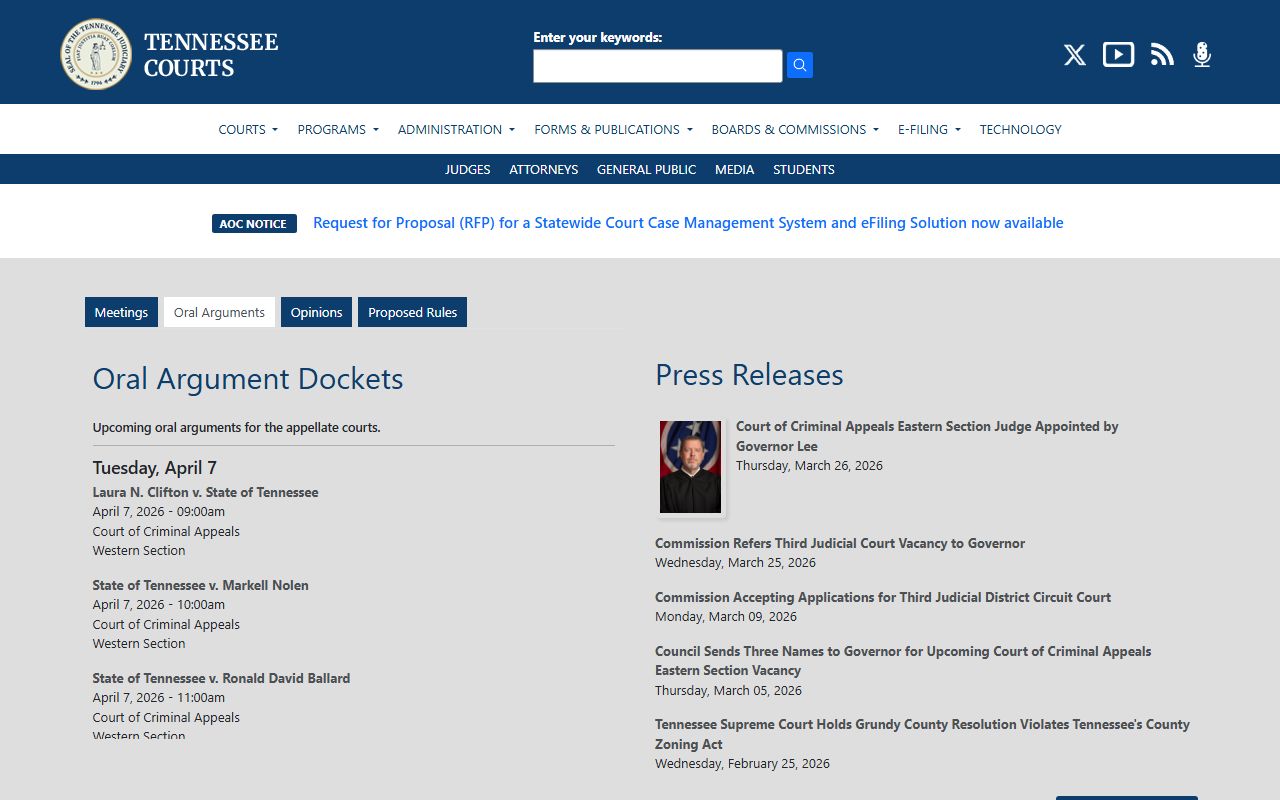
Use it to identify a county and case path, then move to the local clerk or court site for records that are not shown in the statewide view.
Tennessee Residents Directory and Vital Records
Vital records do not replace the Tennessee Residents Directory, but they often confirm family links and older identity details. The Tennessee Office of Vital Records keeps statewide birth and death certificates from 1908 and statewide marriage records from 1950, and it serves as the official state source when a resident search depends on a certified event record. Access rules are tighter than they are for general public records, and identification is required. Still, when you need to confirm whether a Tennessee resident is tied to a family member, a date, or a county event, the state office can help narrow the search.
TSLA also becomes important once records age into archival access windows. Birth records move into archive access after one hundred years. Death and marriage records move after fifty years. Those windows matter because a Tennessee Residents Directory search often shifts from live government processing to archive and genealogy research once the event is old enough. That is where the state archive, local libraries, and local historical collections can provide details that do not show up in a standard county office search page.
The Tennessee Office of Vital Records helps confirm statewide event records that support a Tennessee Residents Directory search.
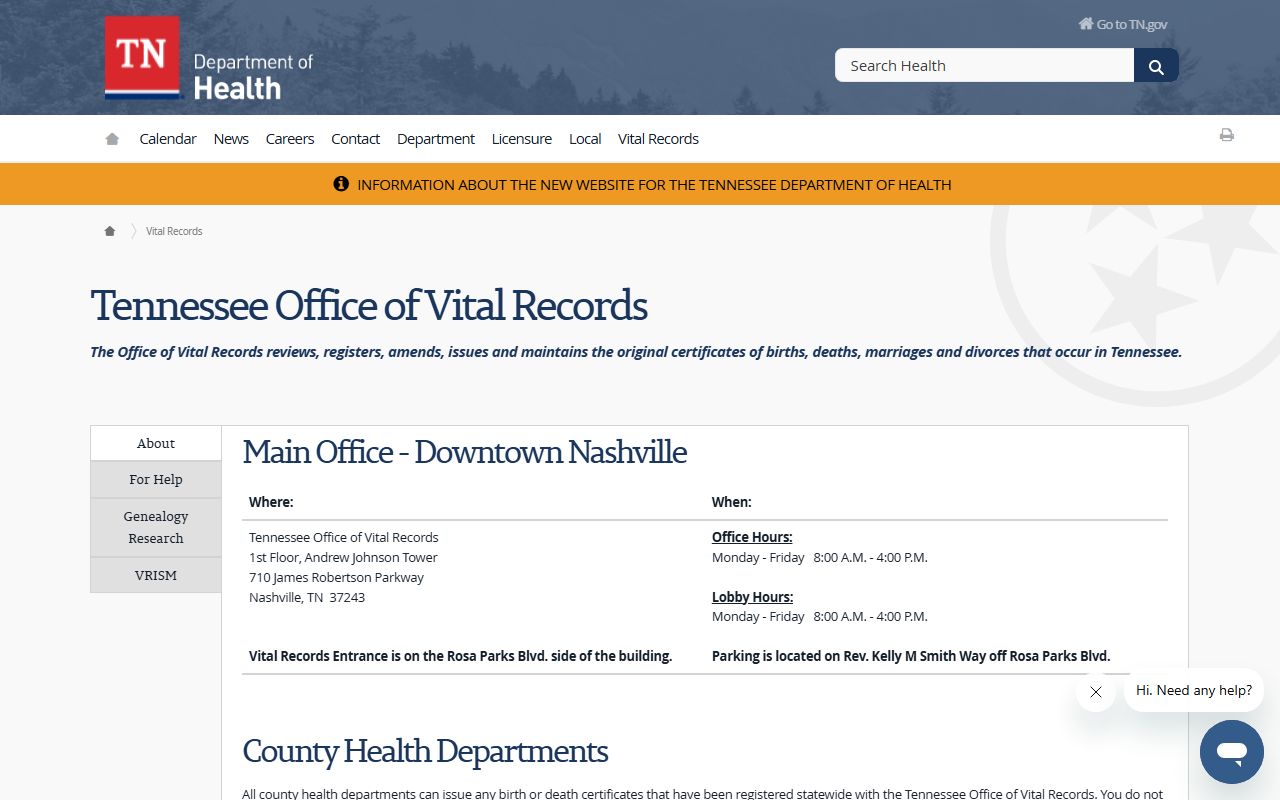
When you need an authorized online order, Tennessee points requestors to the state vital records portal and VitalChek.
Tennessee's online vital records portal is the official online route named in the research for statewide vital record ordering.
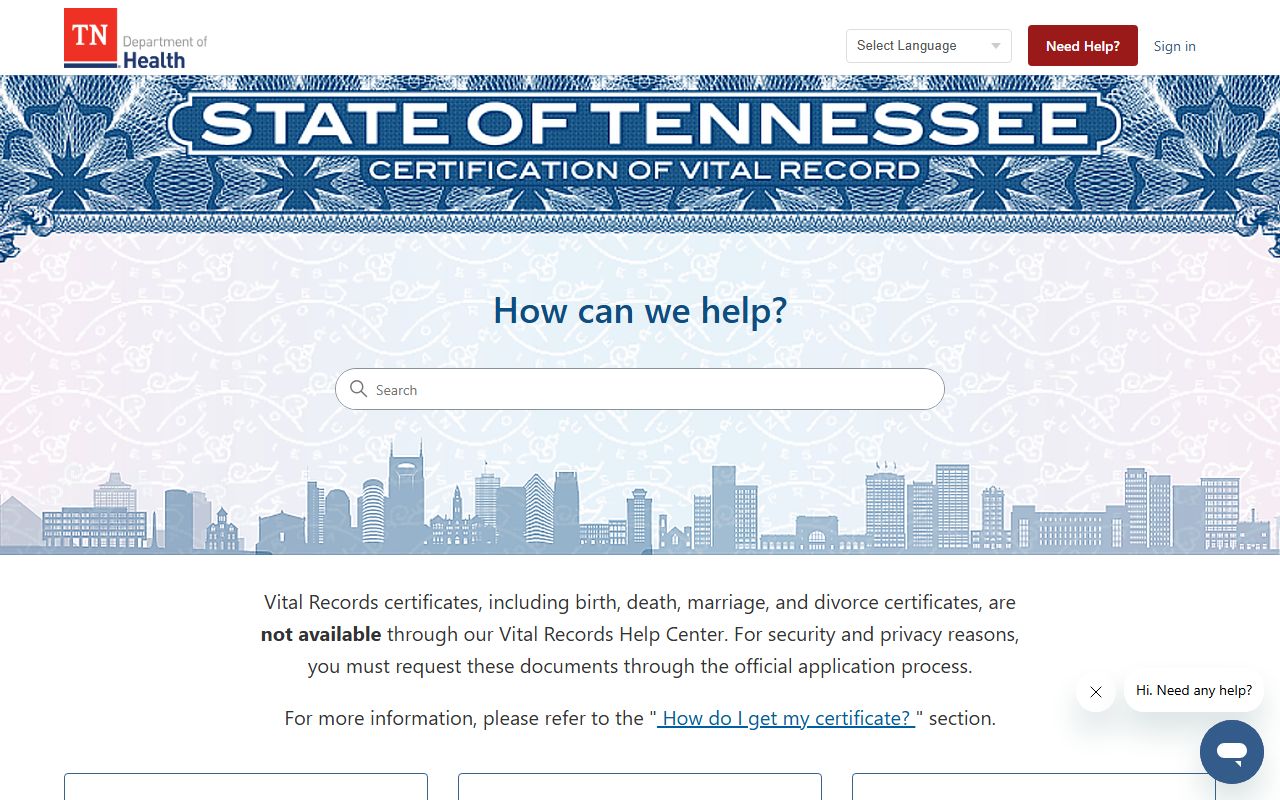
It is useful when your Tennessee Residents Directory search needs a certified event record rather than a general archive or county reference.
Tennessee Residents Directory Request Options
Not every resident record is posted online. Many Tennessee offices still expect you to call, mail, visit, or submit a formal request. That is normal. Some county pages in this project have strong online tools. Others rely more on clerk contact pages, archives, or request portals. Tennessee agencies can require that requests be specific enough to identify the record, and local offices often work faster when you provide a name, date range, county, and the likely office that holds the file. Broad requests slow the process down.
When the office offers a public records request route, use it. When it does not, use the official office page and ask where resident-linked records are handled. A Tennessee Residents Directory search can touch a county clerk, register of deeds, assessor, city archive, public library, health department, or court clerk. Those offices keep different pieces of the same resident story. The statewide guide and county pages below are built to shorten that path and keep the search tied to official or high-authority sources rather than thin directory sites.
Tennessee Residents Directory Agencies
The research also points to broader Tennessee agencies that matter when the search expands beyond local records. The Tennessee Comptroller of the Treasury can help with property assessment context. The Tennessee Department of Safety offers driver services records and status tools in the areas it controls. The Tennessee Bureau of Investigation runs statewide criminal history services with its own access rules and fees. Those are specialized sources. They are not the first stop for every Tennessee Residents Directory need, but they matter when a county search runs thin or when the record type is controlled at the state level.
The Comptroller is one of the state resources that can support property-oriented Tennessee Residents Directory research.

It is most useful when your Tennessee resident search needs statewide property context before you move into the county assessor or deeds office.
The Tennessee Department of Safety appears in the research as another statewide records source.
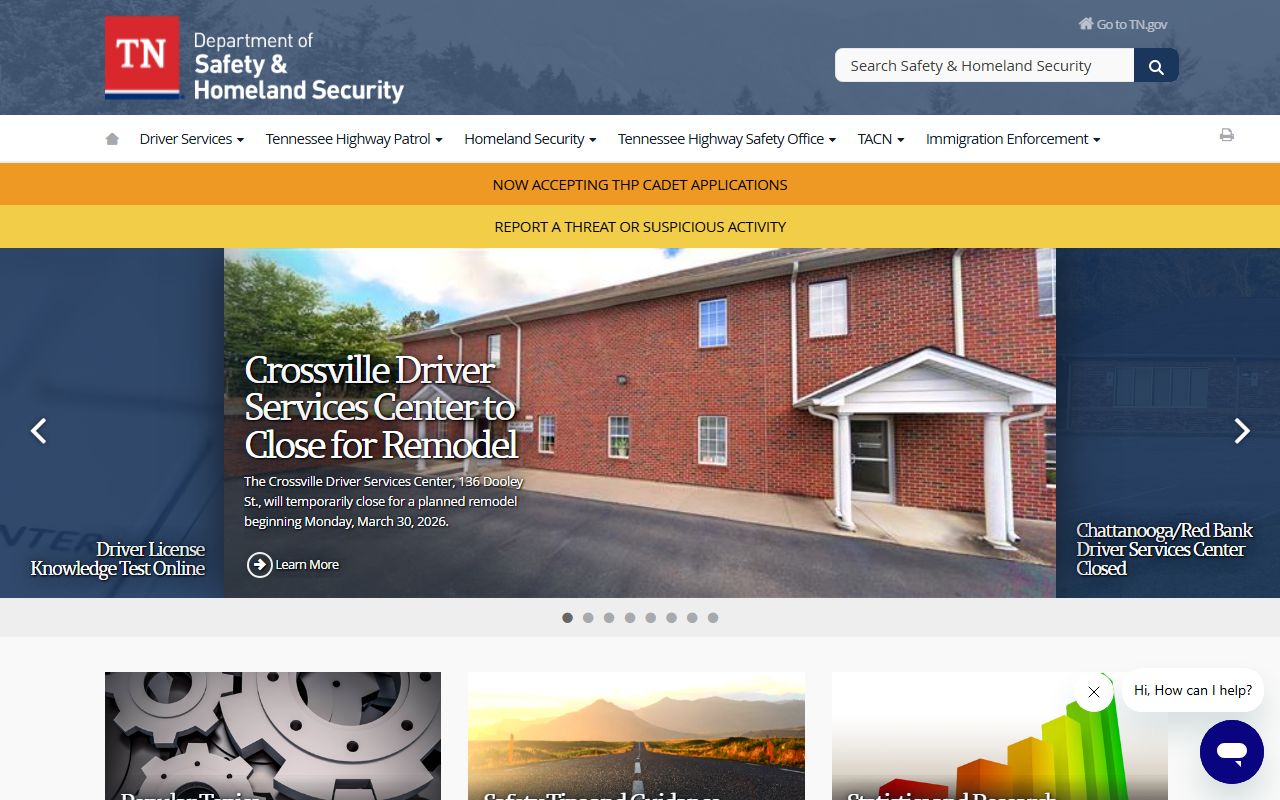
Use it for its official records tools where the search calls for a state-held driving or safety record, not as a substitute for county resident records.
The Tennessee Bureau of Investigation is listed in the research as the state criminal history agency.
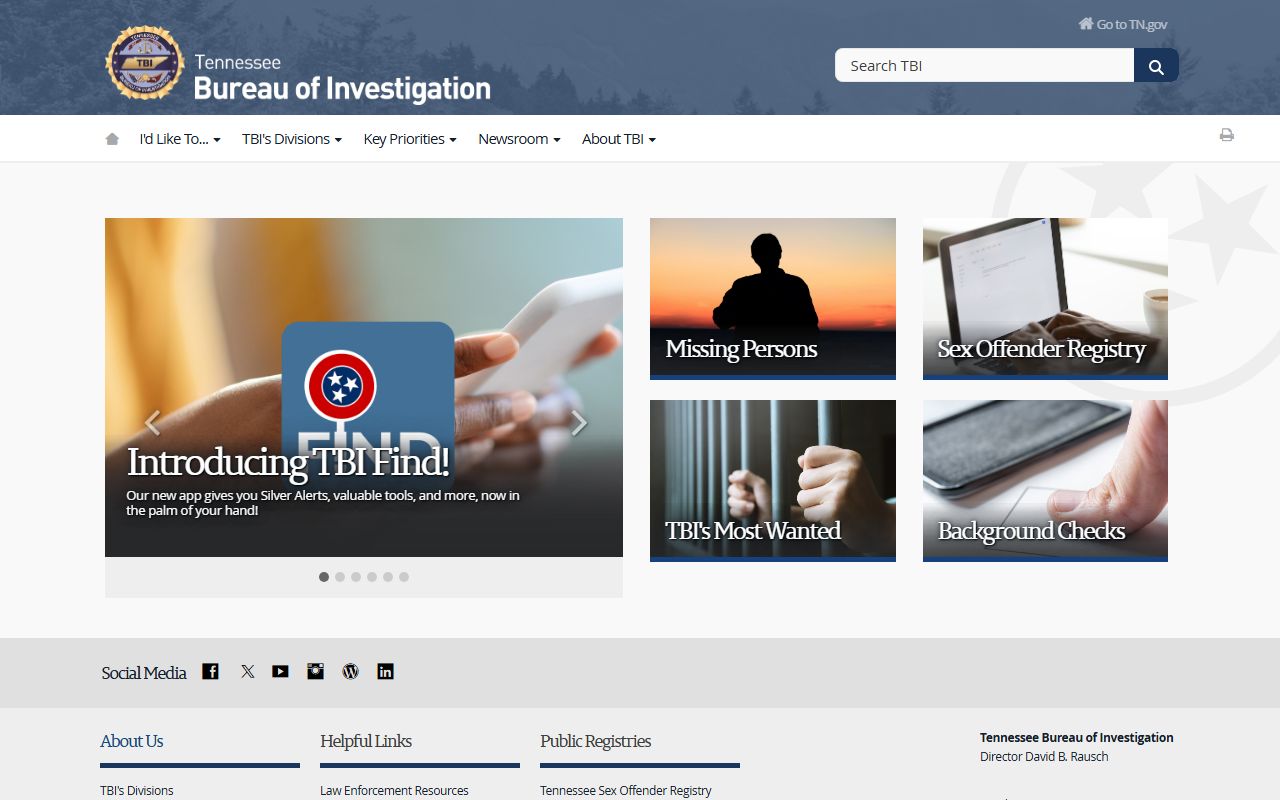
TBI resources are more specialized, but they can still matter when a Tennessee Residents Directory search needs an official statewide agency source.
Note: Tennessee does not provide one complete public Tennessee Residents Directory, so the best results come from combining state and local records with a clear county or city focus.
Browse Tennessee Residents Directory Counties
The county pages carry the strongest local source lists in this Tennessee Residents Directory build. Start there when you know the county already or when a city page points you back to the county office that actually keeps the record.
If the right county is already clear, continue to the county index and choose the county page that matches the office likely to hold the record. That route works best for deeds, county courts, marriage files, assessor data, and county archive material.
Tennessee Residents Directory Cities
The city pages help when the search starts with a place name instead of a county. Each one points to city-level sources where the research had them and to county resources when the resident records are kept outside city government.
If the search starts with a city hall, a municipal court, or a local police records page, continue to the city index and use the city page first. From there, move back into the county page when the record trail leaves city custody.